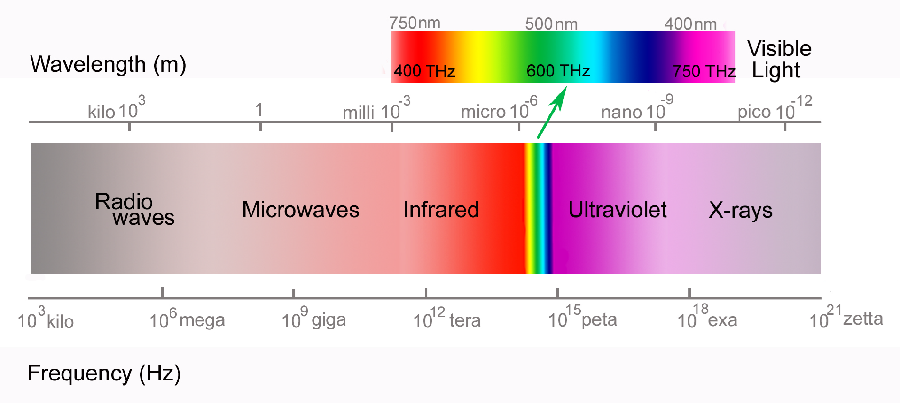
The Sun, the source of life for the entire planet, emits electromagnetic waves in a wide range of frequencies; among these frequencies are ultraviolet rays, which belong to the so-called "ionizing" radiation.
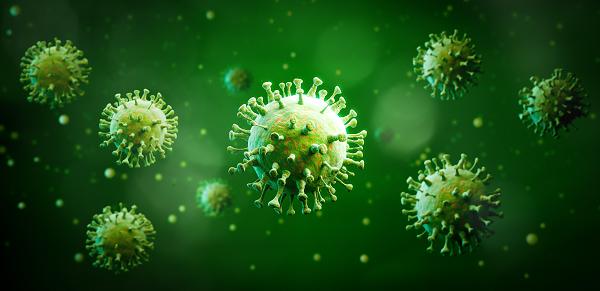
Ionizing radiation can interact with the molecular structures of life forms. Among them, UVC rays are the ones most easily absorbed by the structures of viruses.
UVC waves have the characteristic of penetrating the weak barriers of viruses and damaging their nucleic acid chains, preventing them from reproducing.
The virus cannot reproduce on its own, but needs a host organism (cell) into which it penetrates, forcing it to replicate its genetic code.
If the genetic code is damaged, the virus can still enter the cell, but the cell will be unable to produce replicas of itself precisely because the "instructions" for doing so are damaged.
This mechanism is called "disinfection" because it doesn't immediately kill the virus, but renders it harmless by preventing it from reproducing.
Programs currently in development
DEA
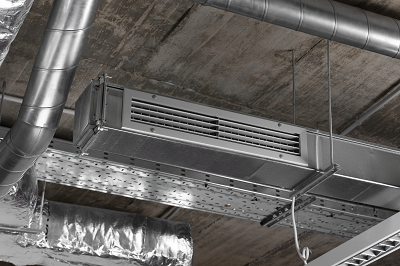
System for microfiltration and UVC disinfection of ambient air